











July 4, 2019. It’s a regular day in a Walgreens on the 1800 block of South Street. Suddenly, over 60 teens burst into the store, running around, knocking items off of shelves, vandalizing, and stealing. Incidents like this aren’t uncommon; however, the response to them reflects a clear anti-teen sentiment in malls and stores across Philadelphia and other major cities.
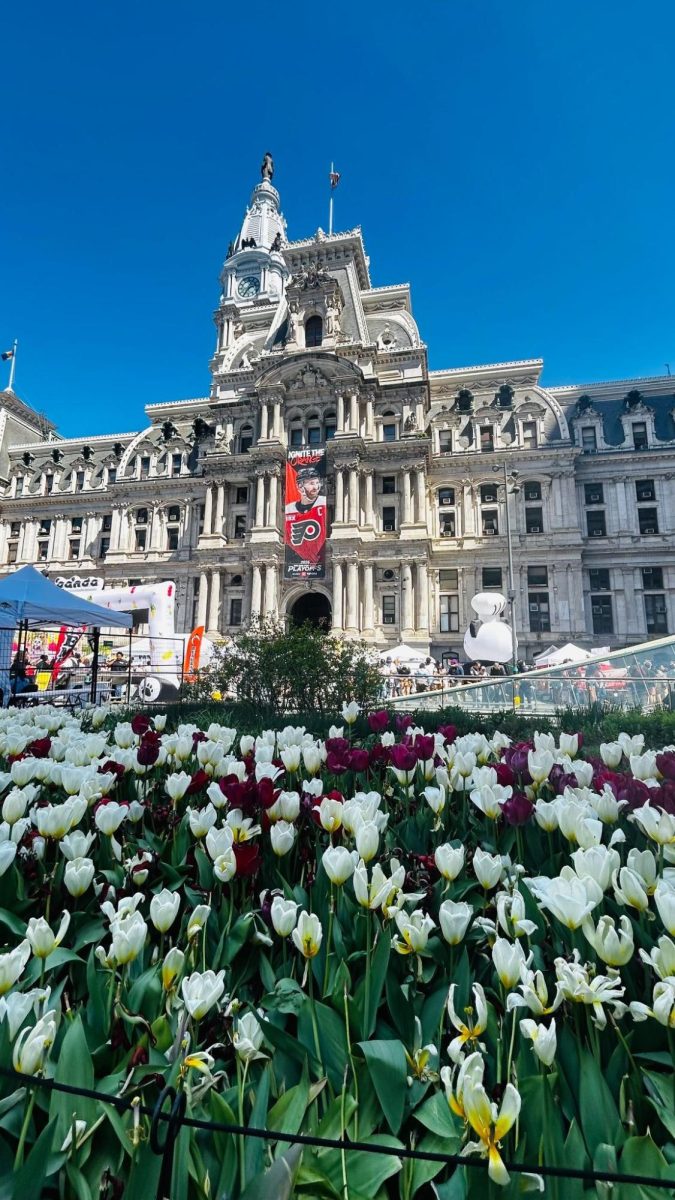
Various factors have contributed to the relatively recent wave of restrictions on teens in public spaces. Most notably, large groups of teenagers have been known to gather in public spaces, acting disorderly and disrupting other shoppers. It’s a hard issue to solve. Banning all teenagers because of a small minority of rowdy teenagers feels unfair; however, mall officials see it as the only option. At the Fashion District, a mall at 9th and Market Streets, restrictions were imposed following the disorderly and dangerous actions of a group of 400 young people at City Hall, blocks away. In a news conference on the incident, which occurred in 2023, Philadelphia Police Inspector Ray Evers said, “Our belief is that these juveniles were not here to go to the movies or go to the mall. They were here to be disorderly.”
In the past few years, a wave of teen restrictions has hit Philadelphia, with malls and stores among the biggest enforcers. At Willow Grove Mall, just outside Philadelphia, as of October 1, 2024, youth under 18 must be accompanied after 5 pm Monday through Saturday, and after 3 pm on Sunday. “While there wasn’t a singular event that prompted this policy, we’ve seen a broader trend in malls and public spaces across the country implementing similar measures to enhance safety and ensure a family-friendly environment,” said Romaine Crawford, general manager of Willow Grove Mall. At the Fashion District and One Liberty Place, unsupervised teens are banned after 1 pm and 2 pm, respectively.
Malls restricting visits from teens aren’t limited to Philadelphia; they reflect a broader trend across the country. According to a 2023 report from The Marshall Project, a nonprofit journalism organization covering criminal justice, many other cities have enacted similar restrictions and curfews. Such cities include Chicago, Washington D.C, Baltimore, and Memphis. These restrictions have a minimal impact on adolescent violence and instead are harmful due to an increased number of negative police interactions. It also opens the door for profiling and bias to come into play.
Such restrictions unfairly punish all teenagers. “It’s pretty shocking and disheartening,” Friends Select student Bode Wild ‘26 said. “It gives me a message of betrayal. I walk in there expecting to be a paying customer, and they turn me away. It feels like they’re saying I’m a criminal.” Teenagers, however, aren’t the only people who feel negatively about the restrictions.
Many parents feel as if these restrictions limit the amount of social interaction teens have. Rather than go to a mall with friends, youth are forced to find other places to meet, which can be increasingly hard in an evolving anti-teen environment. The restrictions come at the same time that the World Health Organization reports: “Between 17–21% of individuals aged 13–29-year-olds reported feeling lonely, with the highest rates among teenagers.” Loneliness and social isolation can lead to a myriad of different issues, from risk of stroke and heart disease to premature death. Restricting teens from public places and social networks, such as malls, can be a precursor to poor mental and physical health.
Banning teenagers simply for being teenagers is wrong and discriminatory. Most teens are trying to eat, buy things, and be customers. They are unable to act as normal members of society when excluded from social spaces. The bottom line is that there aren’t nearly enough places for teenagers to socialize without being criminalized and alienated.