












Be sure to respond to the poll at the end of the article!
Should Students Be Allowed to Eat in Hallways? I Think Not. BY Jonah Gottesman
You try to walk through school to get to a classroom during lunch. However, what lies in your path are hordes of students, taking up valuable hallway space, eating. Permitting students to eat in the hallways of Friends Select would simply never work.
Eating in the hallway is unsanitary. A study on PubMed found significant traces of various fecal matter in vinyl and carpet floors. Such an environment is unsafe for eating food, necessitating the ban on eating in hallways to prevent health troubles. According to the study, “Most of the floor surfaces showed the presence of dog-specific fecal bacteria (83%) followed by bird-specific fecal bacteria (75%). The results suggest that traffic levels affected the bacterial levels, and fecal contamination is prevalent on the floor surfaces.”
People eating in hallways restricts mobility and disrupts classrooms and clubs in session. It also makes the hallways messy. Many schools have found various troubles with eating in hallways. In The Highlander, the school newspaper of McLean High School, it says, “These numerous amounts of hallway eaters cause disturbances such as leaving their trash on the ground.” According to Chris Singler, Upper School Director, eating in hallways opens the possibility of crumbs and wrappers being left behind, which requires janitors to work harder to keep the halls clean. Eating in hallways attracts more rodents, as well as making the school less presentable.
Not only are there problems with eating in the hallway, but it is also unnecessary due to the plethora of spaces that Friends Select provides to eat in. If you don’t feel like eating in the cafeteria, you can in the Falcon’s Nest, on the roof, in the alcove, outside the front entrance, or any classroom with a teacher’s permission. With the introduction of the new building to the upper school, a new room for eating will be available, accommodating sixty people.
While one may argue that students should be allowed to eat whenever and wherever for convenience and health reasons, this is a non-issue. If a student needs to eat before a meeting with a teacher during lunch, teachers are more than happy to reschedule the meeting ten minutes later or allow the student to eat in their classroom. Additionally, if a student needs to eat for health reasons, they can do so during the designated break in the cafeteria. Another option is to use building leave, taking advantage of the many stores nearby, such as Wawa, Starbucks, or Naya.
Ultimately, the question isn’t just about convenience, but rather a question of respecting student health, a shared environment, and facilities staff. Eating in the designated spaces keeps our school clean, allowing students to traverse more safely and efficiently through hallways, making the school more pleasant. The day eating is allowed in the halls of Friends Select is the day Friends Select loses respect for itself and its people.
Why Students at Friends Select Should Be Able to Eat in the Hallway BY Lucarose Pappas
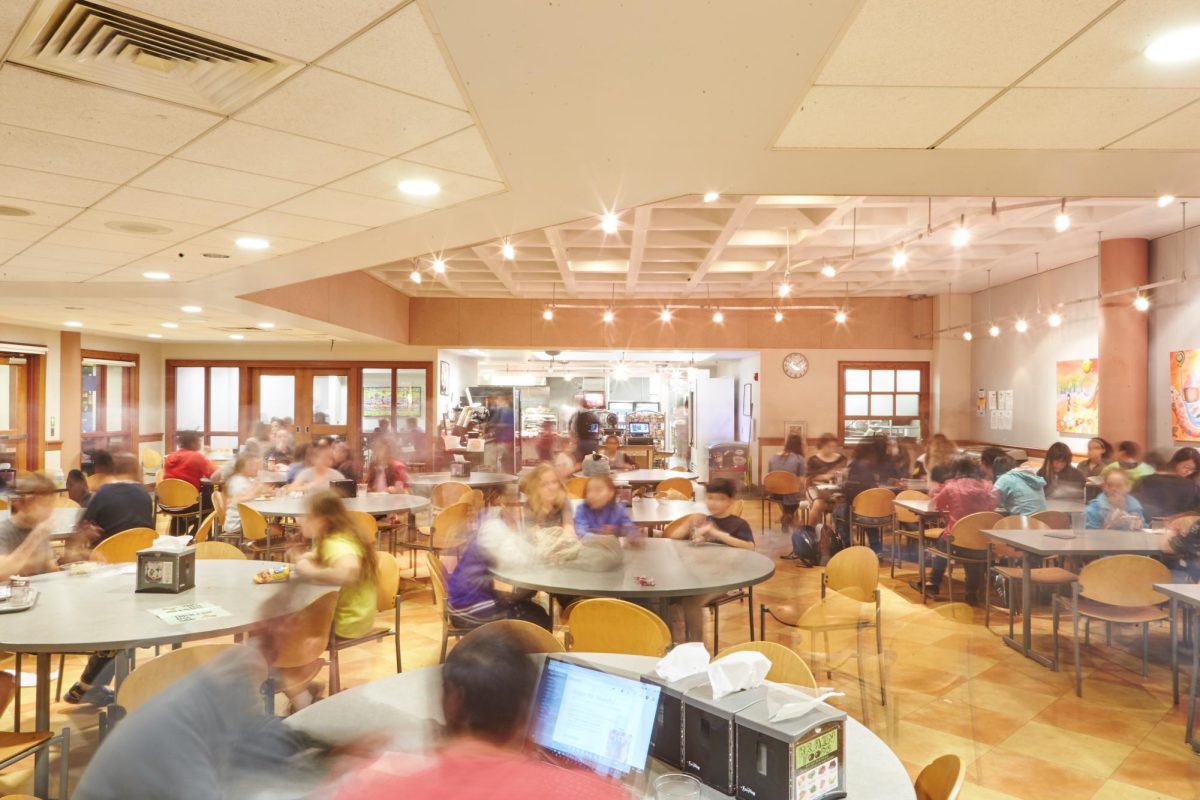
Every day at Friends Select, over 100 students squeeze into the Falcons Nest and Cafeteria for lunch, creating a space that is loud, chaotic, and stressful. When the weather gets colder, students don’t eat on the roof, making the problem worse. Allowing students to eat in the hallways, with reasonable guidelines, would change these problems.
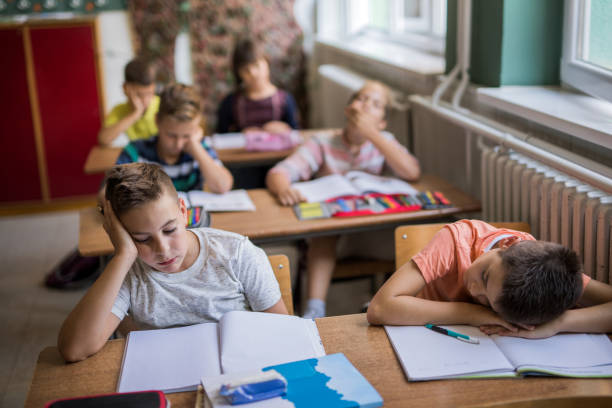
One of the reasons the cafeteria is too crowded is because all 200 upper school students have a break and lunch at the same time. According to this article from Johns Hopkins Medicine, adolescents need to eat three meals a day, with healthy snacks. Eating a healthy breakfast improves energy throughout the day, and without it, students may have low energy levels and reduced attention spans. The article from Morbidity and Mortality Weekly Report states that 27.4% of all high school students worldwide do not eat breakfast in the morning. At Friends Select, students don’t have the opportunity to eat until 10:30 a.m. Meaning students who do not eat breakfast in the morning may be tired and not retain information from their first two classes. Allowing students to eat in the hallway would ensure that students are eating a healthy breakfast.
Another example as to why the cafeteria is not always a convenient place to eat is because many students stay late after school for sports practice or other extracurriculars. They need places to eat in the school that are not the cafeteria because the lower school students use the cafeteria for after-school and other activities, as well as during the day for lunch and break.
Eating in the hallway could be more convenient for students. Juniors and seniors in our school have free periods where they would rather spend their time eating than waiting till lunch. During lunch, teachers are almost always free to meet with students, rather than during a free period, because the teacher may not have the same free time as the student. In this case, a student might prefer to eat lunch during a free period and meet with a teacher during lunch. Or they may have clubs that take up their lunch period. According to this article from the Economic Research Service, the average amount of time one person takes to eat a meal is 20-30 minutes. Friends Select’s break time is only 15 minutes, so if someone wanted to eat their breakfast during break, they would not have enough time. Allowing students to eat in the hallway limits this issue.
Eating in the hallway would be manageable with simple guidelines. Rules like “clean up after yourself,” and don’t block lockers or doors” would be easy to maintain and follow. This article from dining etiquette states the American Academy (K-8 school) “Food at School Procedure” is that snacks are allowed, possibly outside traditional lunchrooms: “When possible … snacks should be eaten outside or in the hallways.” This is an example of a school allowing students to eat in their hallways without complaints.
Another reason we should allow food in the hallway is because other shared spaces in our school allow food without issues. In the falcons’ nest, cafeteria, roof, and teachers’ classrooms, we are allowed to eat food. To get to these places, students have to bring food through the hallway. So there is already food being brought into the hallway that may cause odor or disruption. However, if students were allowed to eat food in the hallway, most of the food intake would be small snacks, which would not cause disruption. Eating in the hallway would allow the cafeteria to be less crowded. This would reduce load noise, which is a disruption to other classrooms around the cafeteria. It would also reduce stress and seating pressure. This article from Science Direct states that eating in a quieter room is more beneficial to your dining experience than eating in a loud room. “In a cafeteria-style experiment, participants eating in silence finished their meal faster and reported a more pleasant eating experience compared with those exposed to background music or cafeteria noise.”
Hallway eating can also support students with medical or timing needs. For example, Students with Hypoglycemia or Diabetes may need quick calories between classes. According to this article from the National Diabetes Statistics Report, as of 2021, there are ~ 352,000 children and adolescents under age 20 in the U.S. with diagnosed diabetes. These students may need to have a quick snack before their blood sugar drops. Banning hallway eating disrupted their health, not the school.
Allowing students to eat in the hallway is not a threat to sanitation or order; it is simply a practical, manageable policy that reflects the real needs of today’s students. I do firmly believe that students should be allowed to eat in the hallways; however, with rules and precautions.